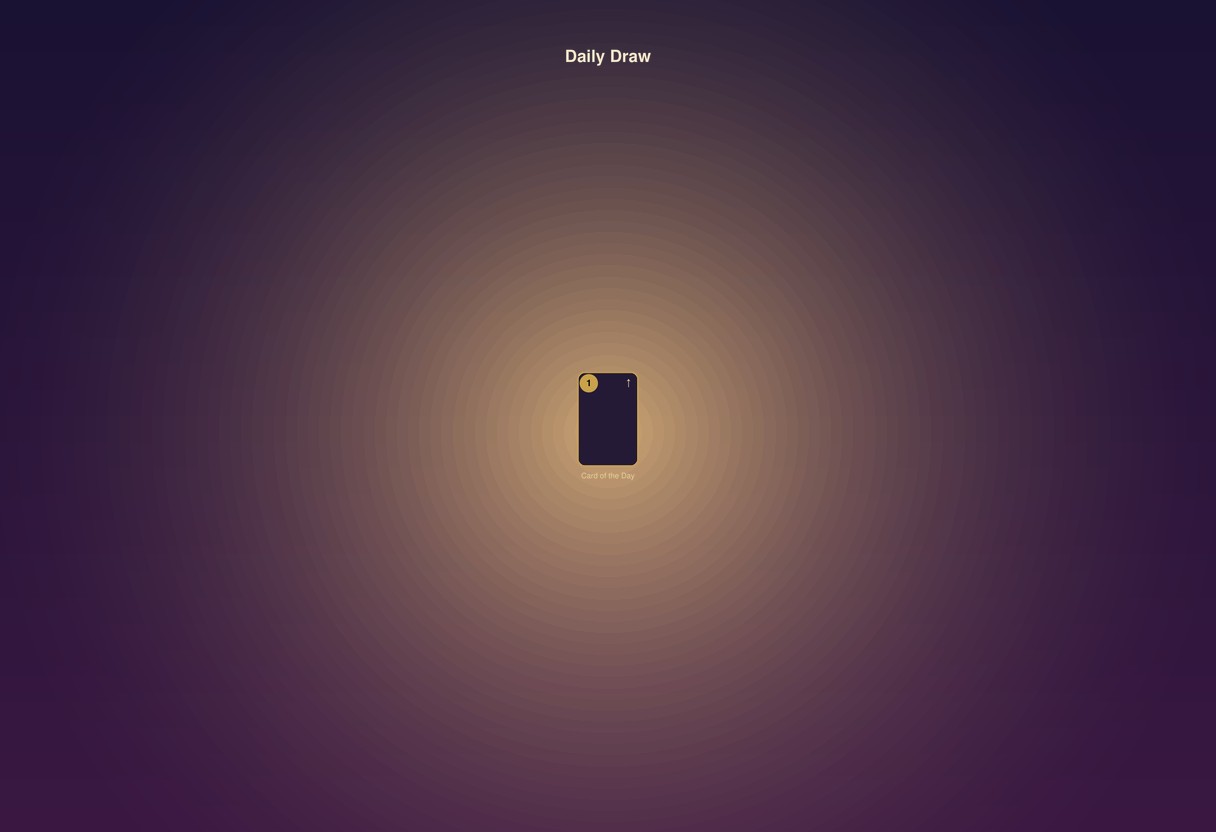
One Card Is Not a Small Reading: The Case for the Daily Draw
The single-card spread gets treated as tarot's warm-up act, but pulled with real attention it does something the big spreads can't.
Daily wisdom stories drawn from tarot, numerology, astrology, and the traditions between them — read, reflect, return.
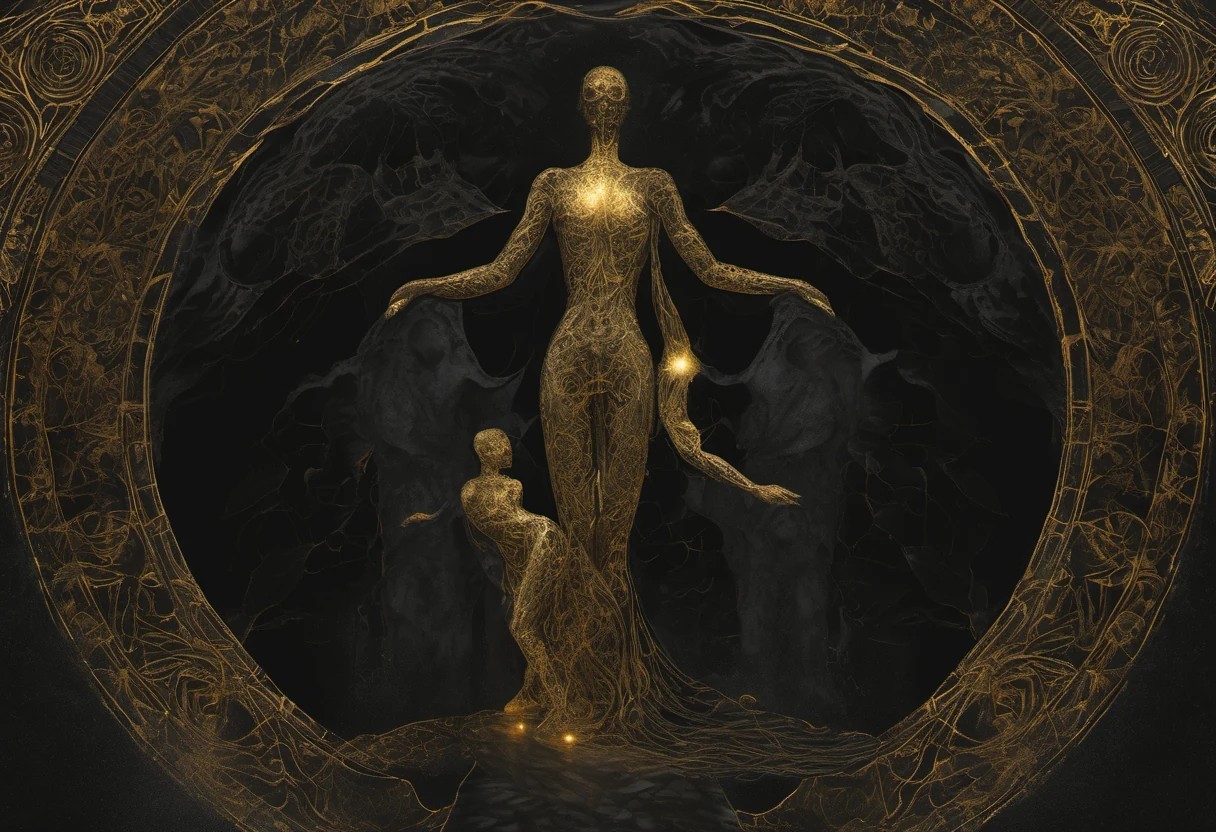
Death in a love reading rarely means breakup. It means a relationship changing shape — and reversed, it usually means one person resisting that change.
The single-card spread gets treated as tarot's warm-up act, but pulled with real attention it does something the big spreads can't.
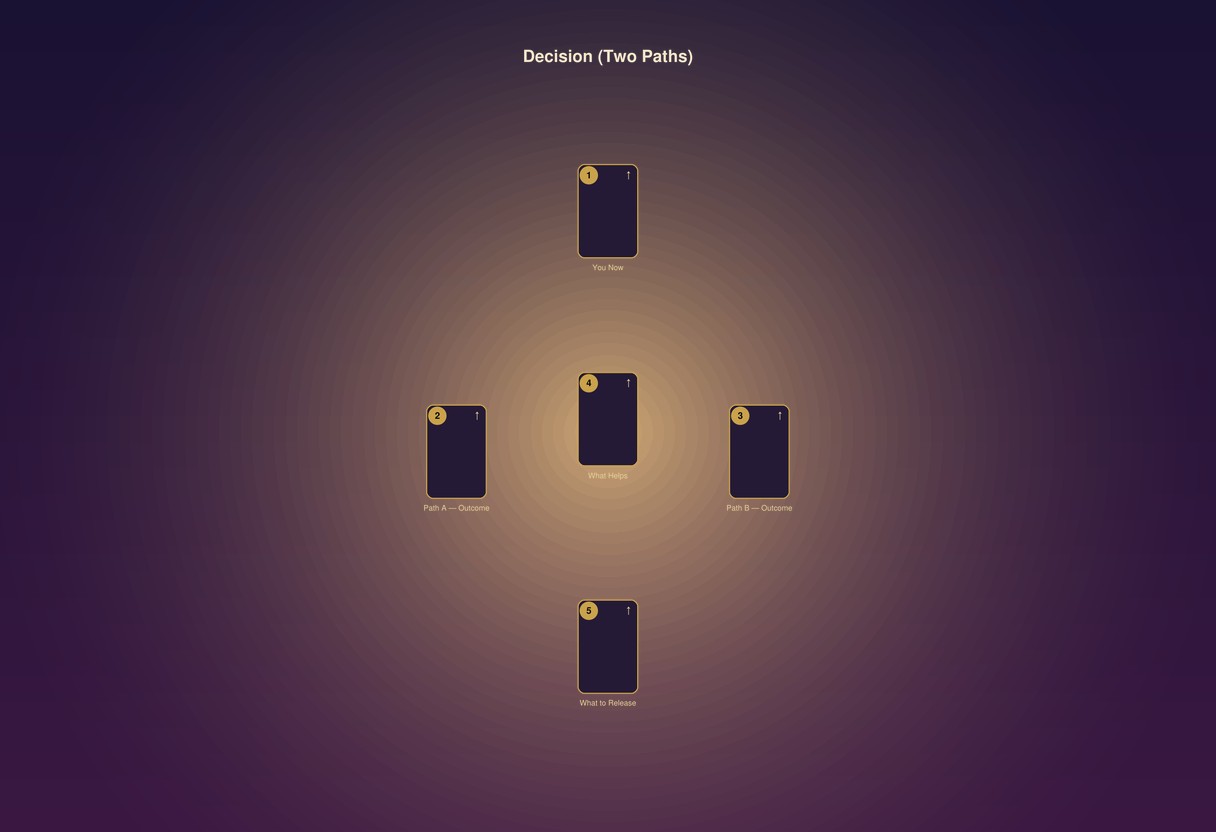
A five-card layout for the specific paralysis of two real options and no obvious better one.
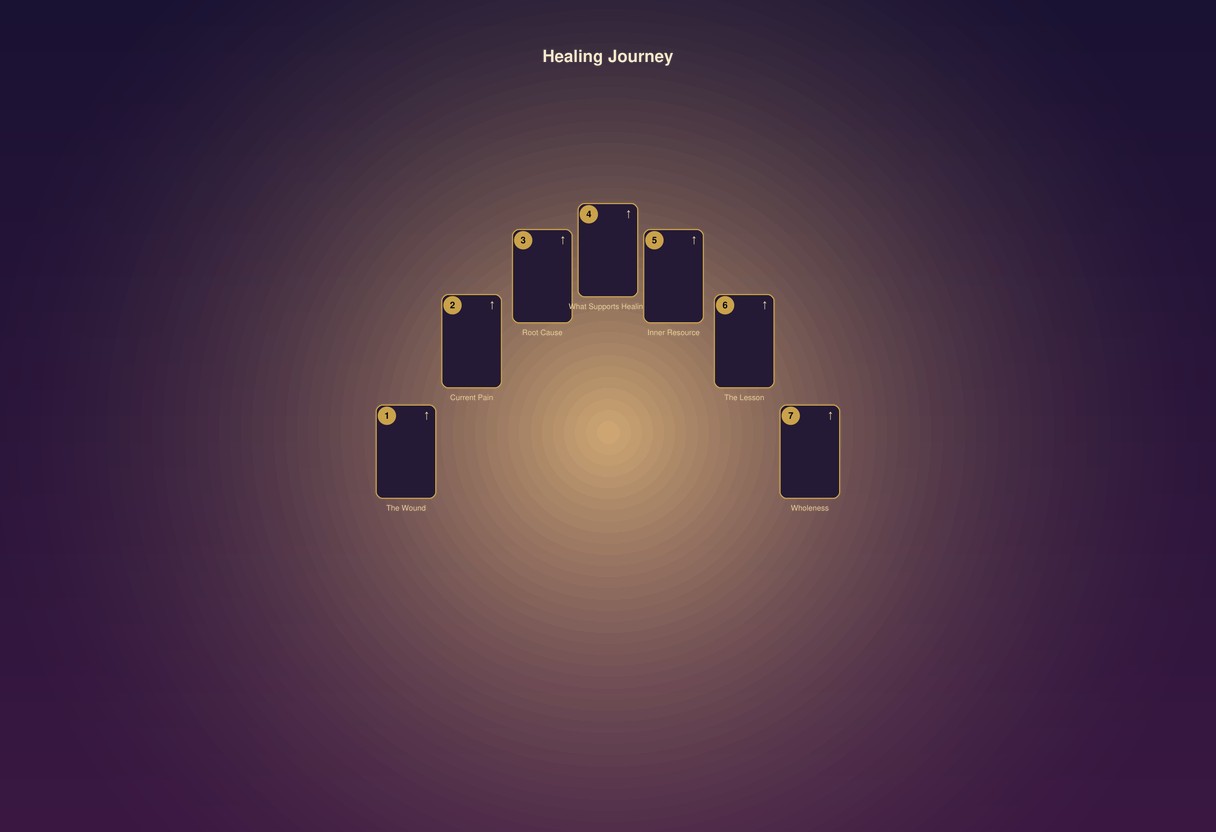
A seven-position spread that treats healing as a path with stations rather than a single moment of feeling better.
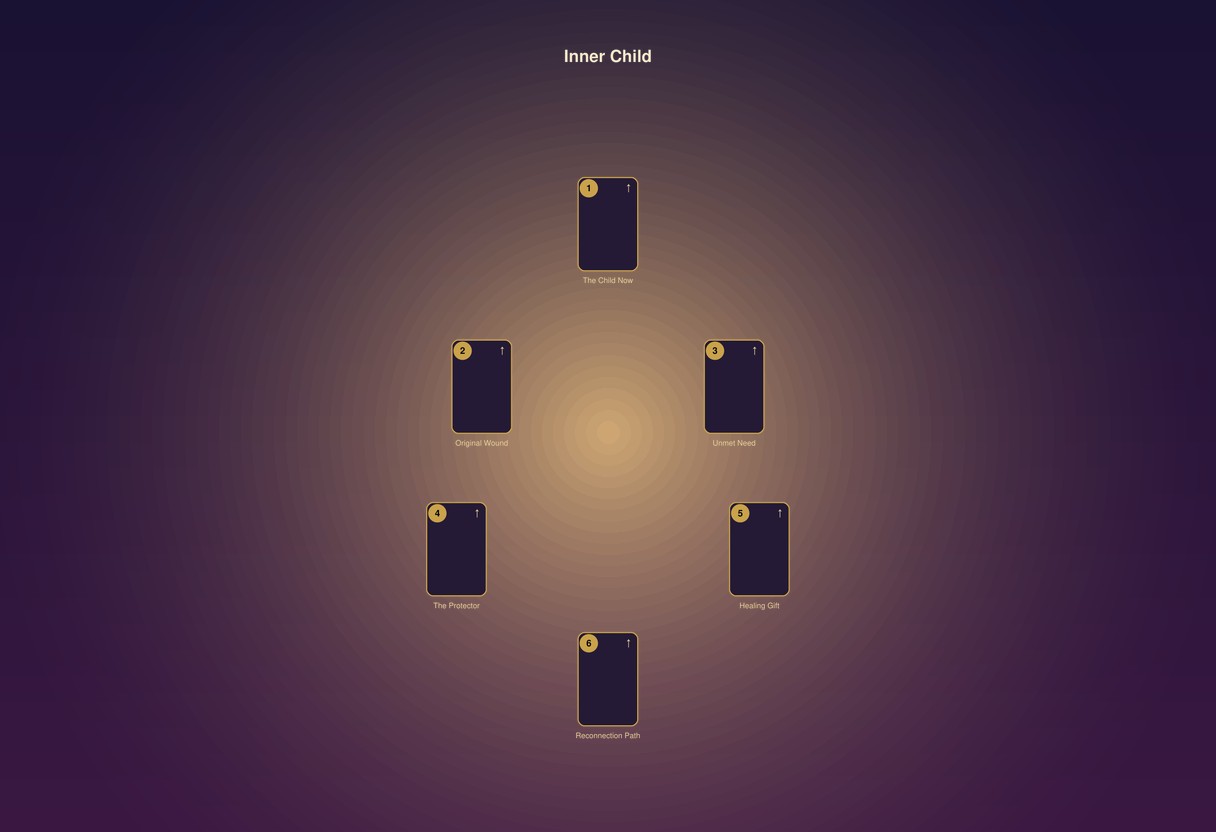
A six-card spread that treats the inner child not as a metaphor but as someone with an actual, answerable set of needs.
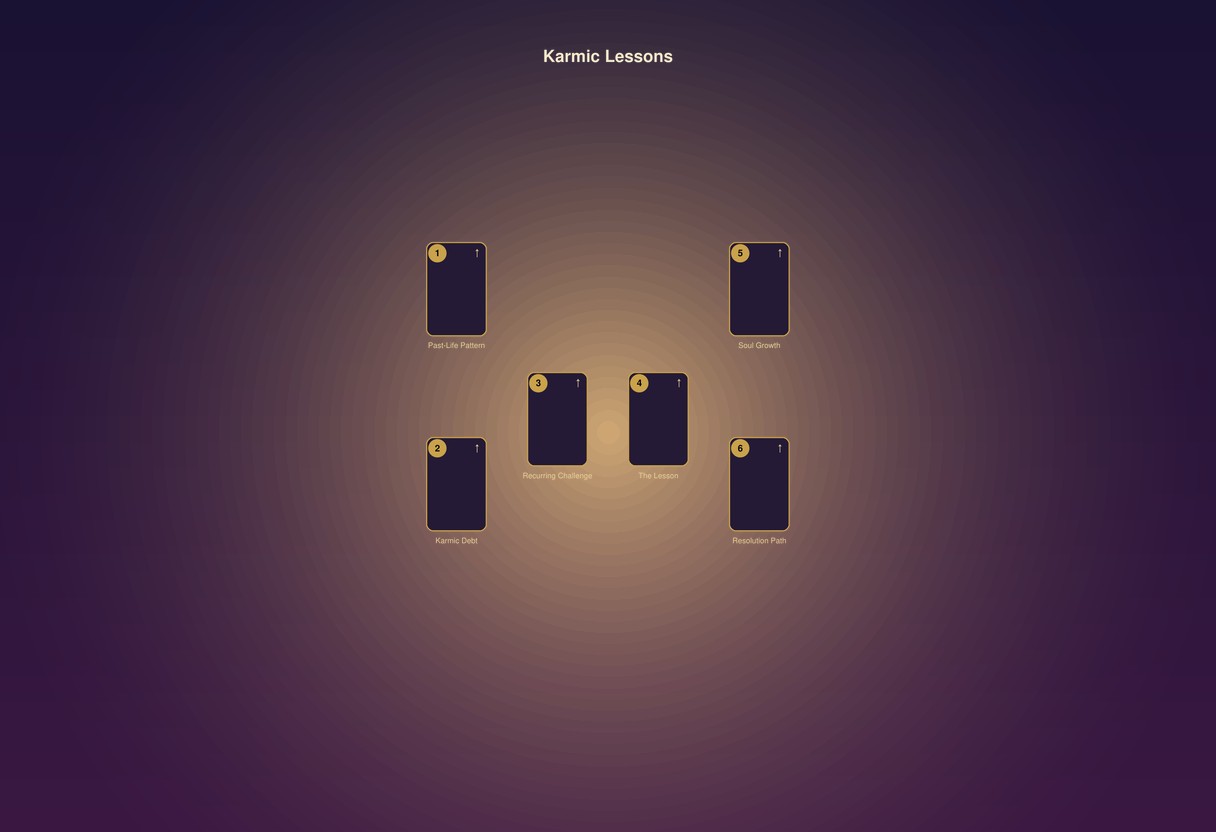
A six-card spread for tracing the recurring pattern that shows up in different disguises until it finally gets learned.
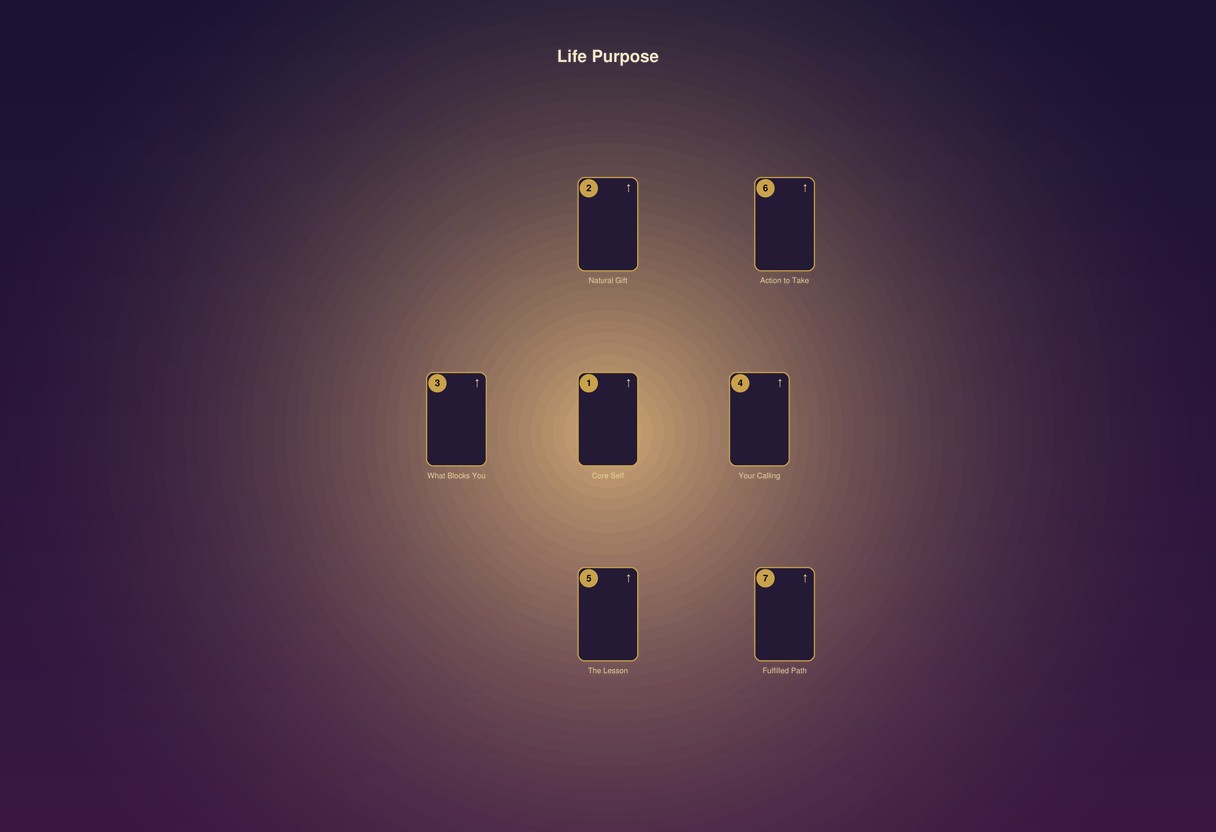
A seven-card spread that treats purpose as something built through gift, obstacle, and action rather than discovered whole.
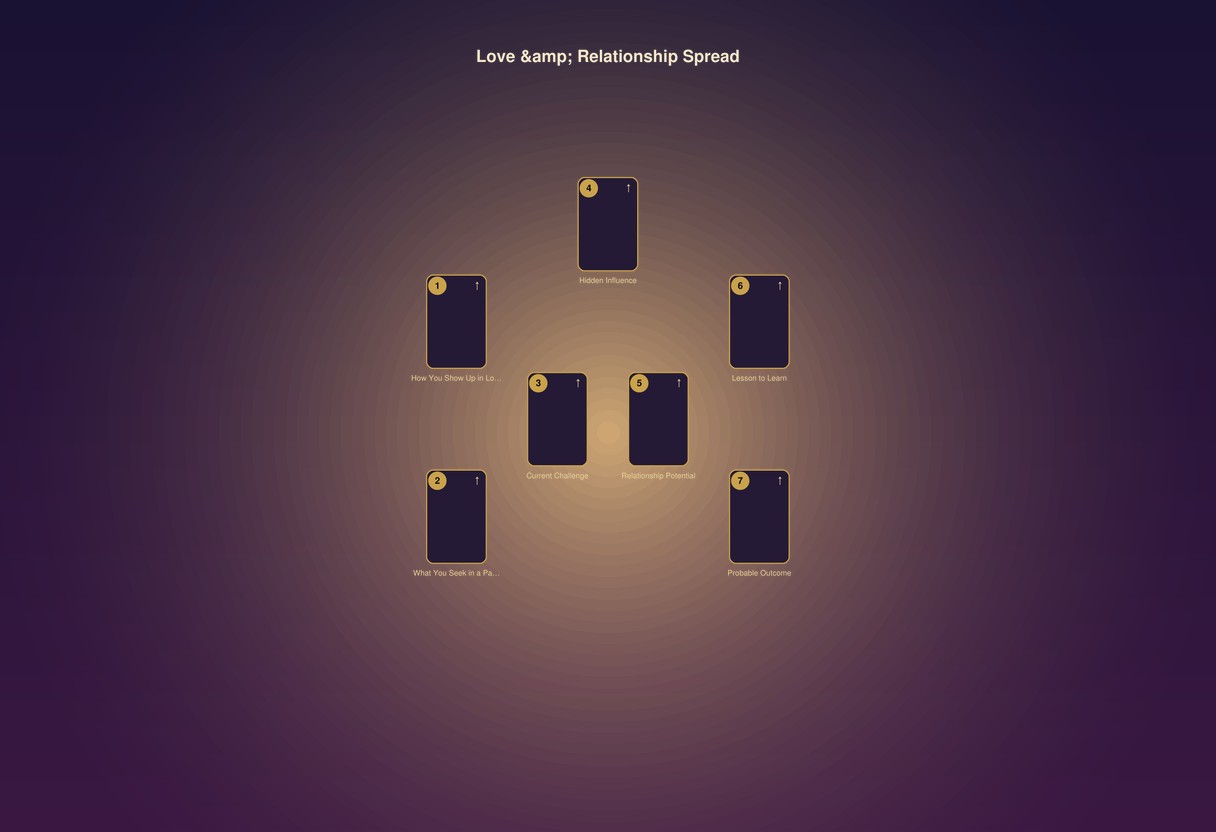
A seven-card layout that treats a love question as seven separate angles on the same light, rather than one card asked to explain everything.
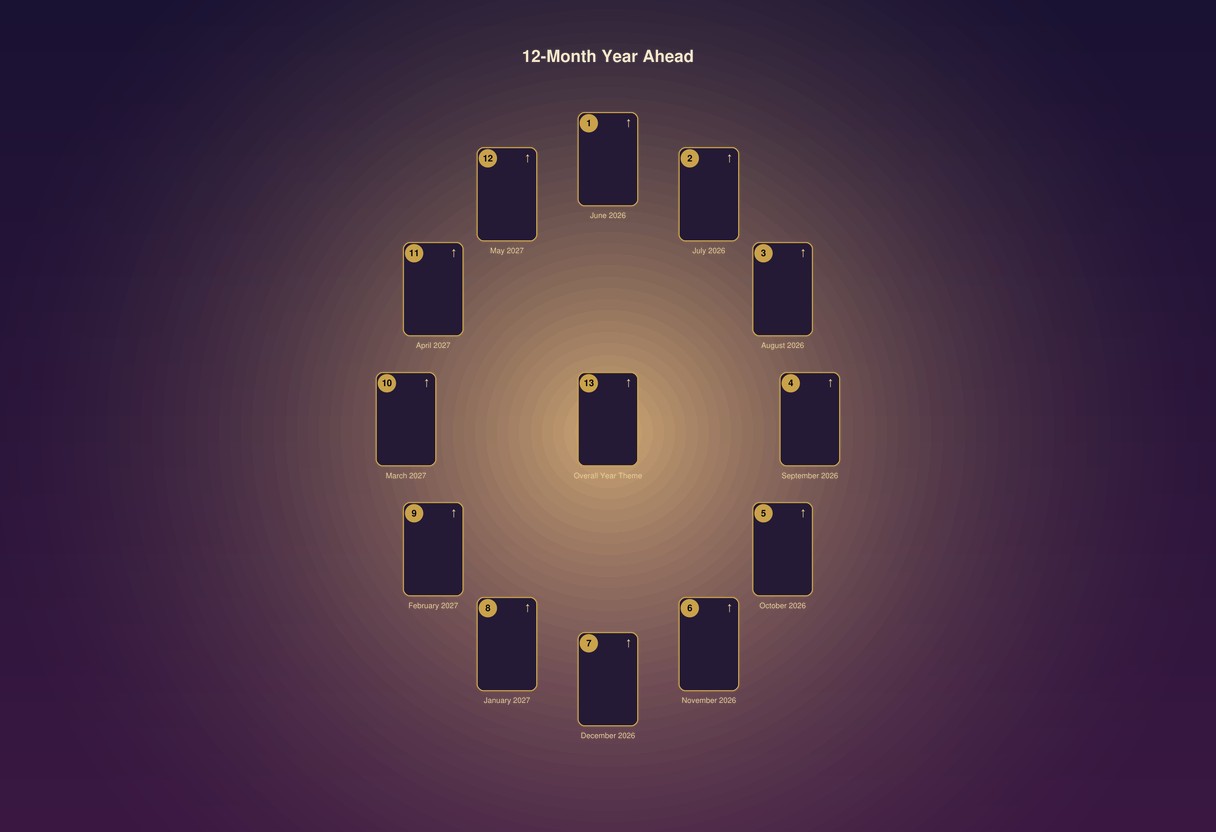
A month-by-month forecast spread built from twelve individual cards and one card that names the thread running through all of them.
The smallest tarot spread there is, and often the hardest one to read well because there's nowhere for the answer to hide.
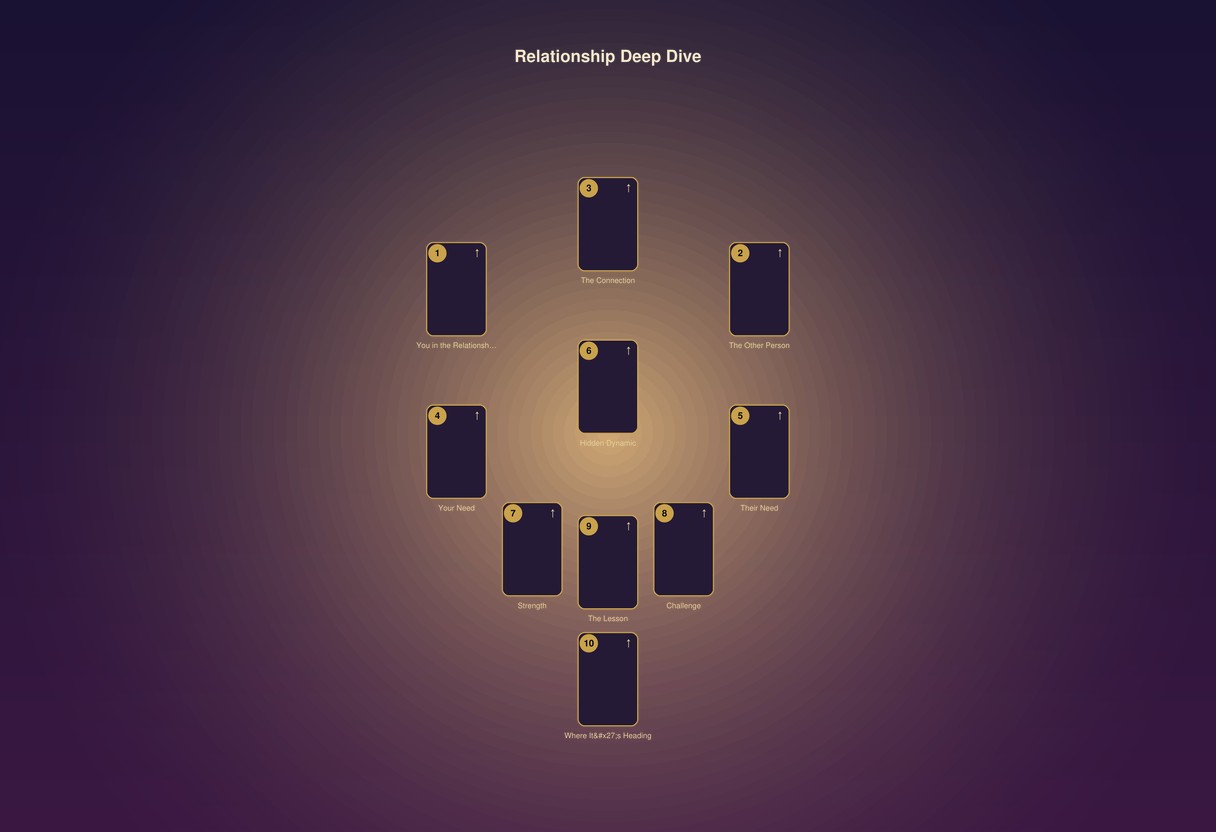
A ten-card layout that reads two people separately before it ever reads them as a pair, built for when a quick love spread isn't enough.
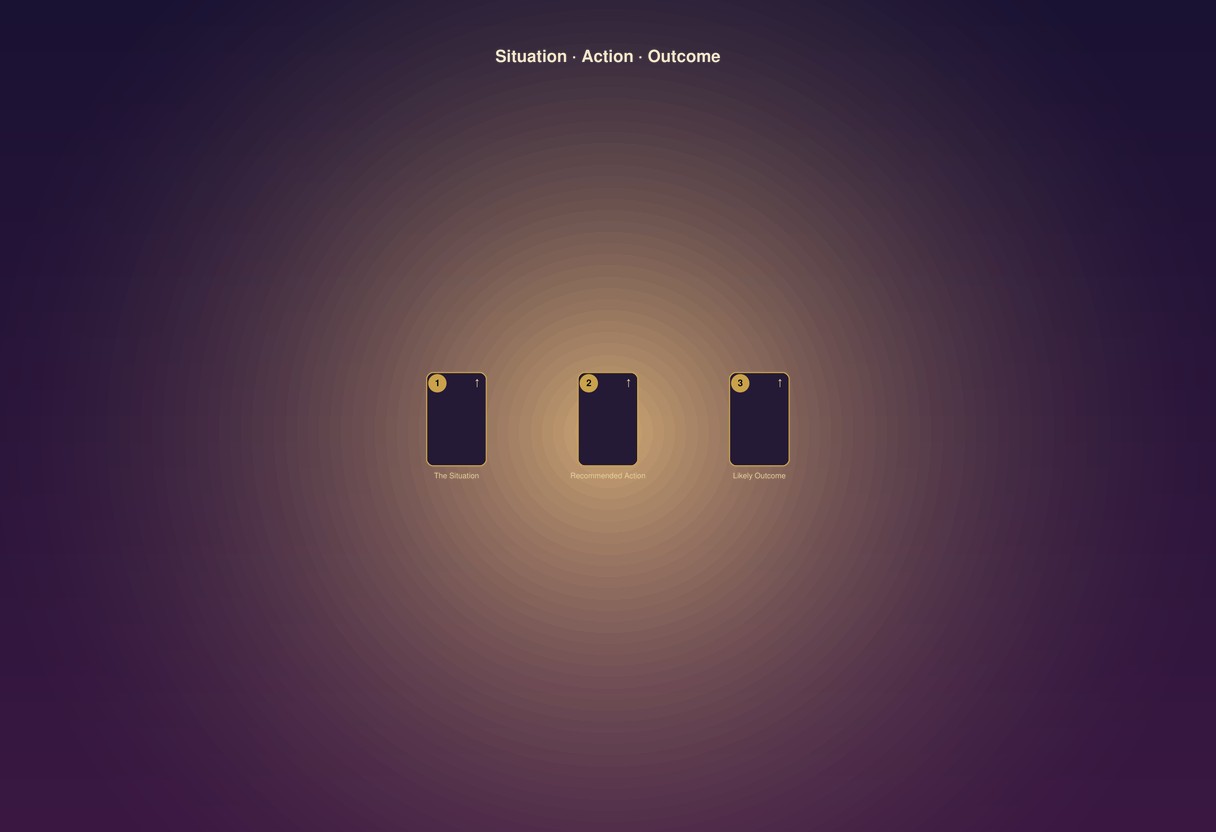
Most three-card spreads tell you where you stand. This one tells you what to do about it.
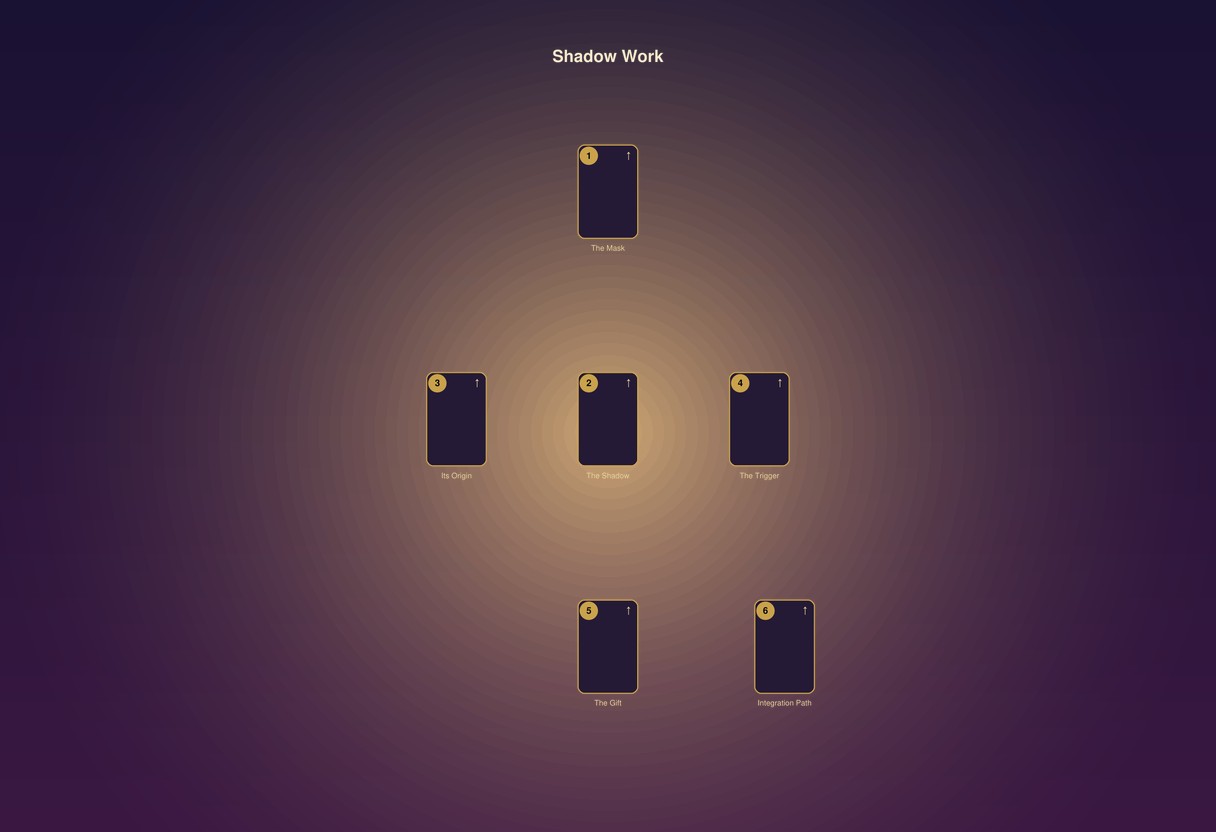
A six-position descent that doesn't just name what you're hiding — it traces where it came from and what it's worth.