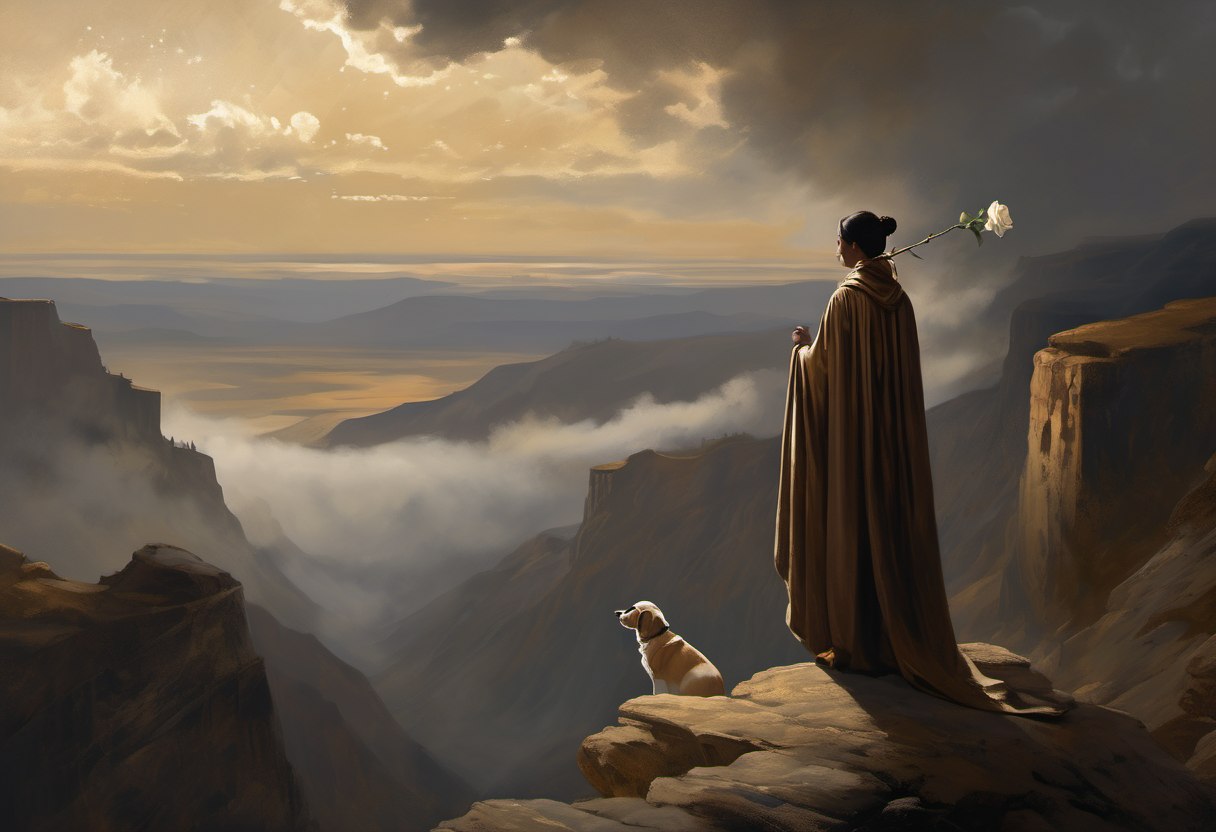
The Fool: The Only Tarot Card With No Number
Why the tarot begins with a card that refuses to be counted — and what that says about every real beginning you've ever taken.
Daily wisdom stories drawn from tarot, numerology, astrology, and the traditions between them — read, reflect, return.
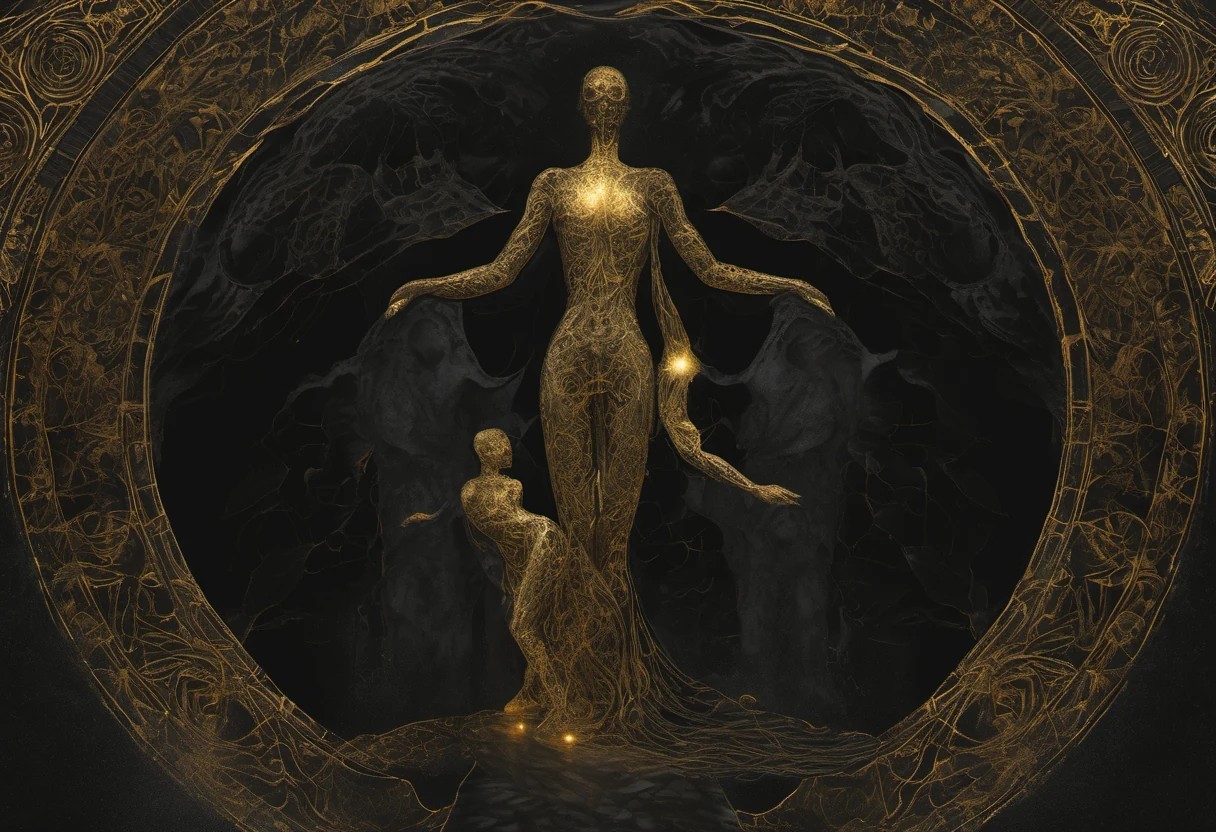
Death in a love reading rarely means breakup. It means a relationship changing shape — and reversed, it usually means one person resisting that change.
Why the tarot begins with a card that refuses to be counted — and what that says about every real beginning you've ever taken.
Every number in numerology gets reduced to a single digit — except three of them. What that exception is actually protecting.
Why astrology treats your late twenties as a reckoning — and what it actually means to live through a full cycle of something for the first time.
BaZi means "Eight Characters" — but only one of them represents you. The other seven only mean anything in relation to it.
In the Book of Changes, a line doesn't transform because it's uncertain. It transforms because it became so completely itself there was nowhere left to go.
Vedic astrology treats two points in your chart as some of the most psychologically decisive forces in it — and neither one is an actual object in the sky.
Most people know two moon phases. The cycle actually has eight — and some traditions say the real start isn't the one everyone celebrates.

A four-word Hermetic principle, and the reason a tarot card, a birth date, and a planet's orbit keep turning out to be different sizes of the same idea.
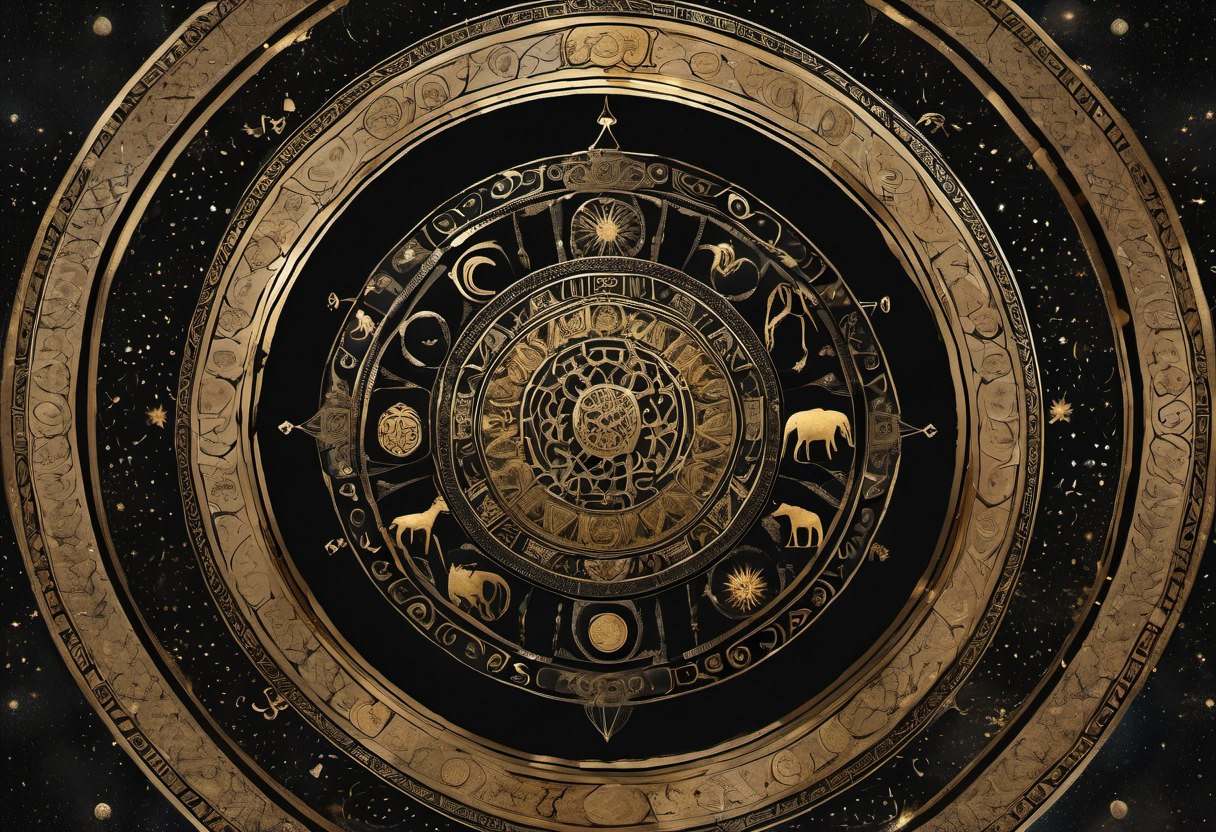
Everyone knows their animal sign. Almost nobody knows the second layer stacked on top of it — the one that means your exact sign only comes back around once every sixty years.
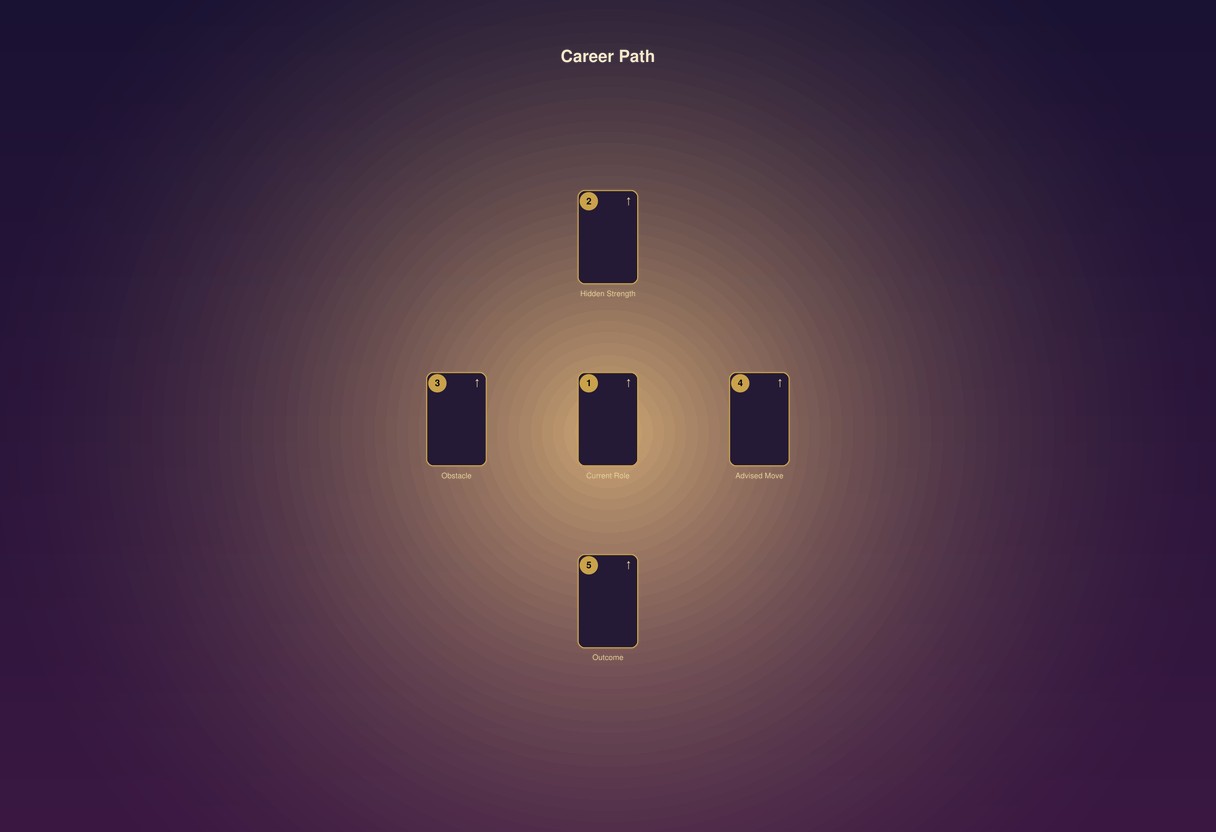
A five-card spread built for the question everyone asks at 2am about their career, and none of the vague answers it usually gets.
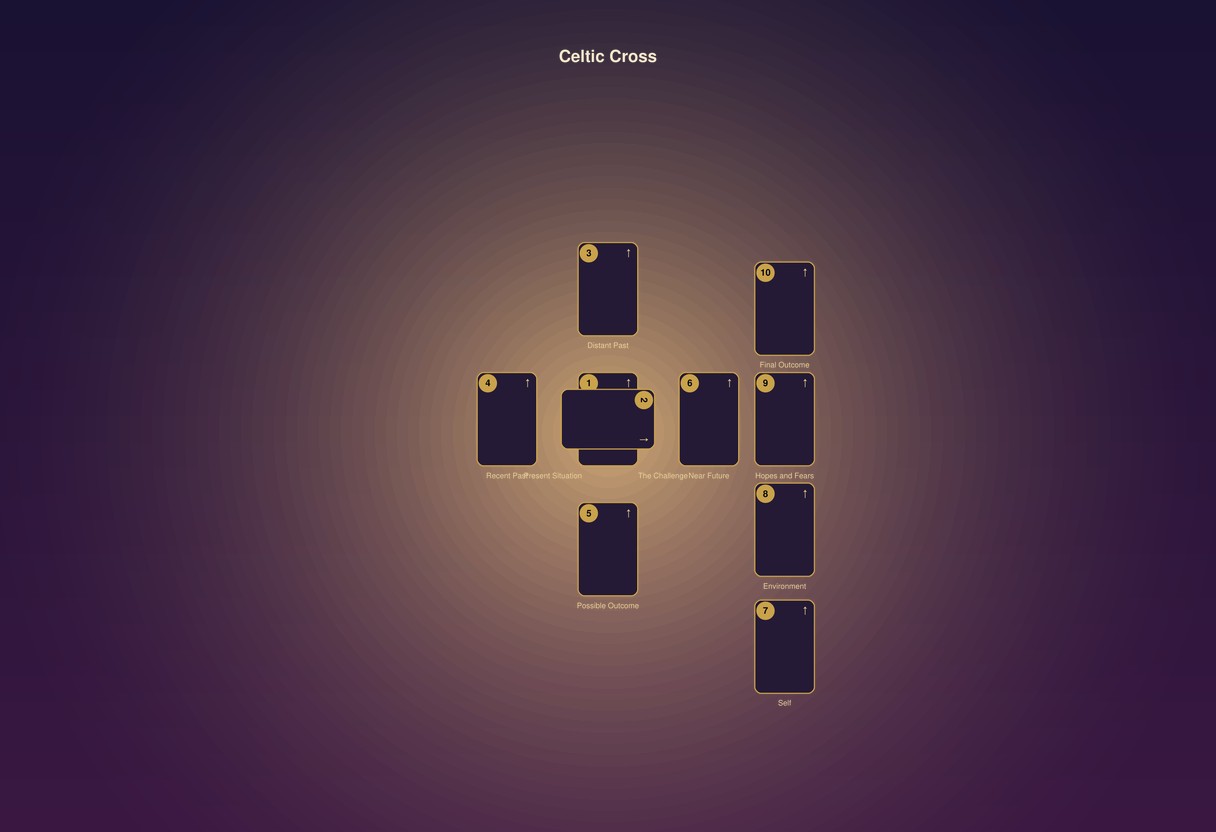
Why the tarot world's oldest and most-used spread still takes longer to read than almost anything else — and why that's the point.
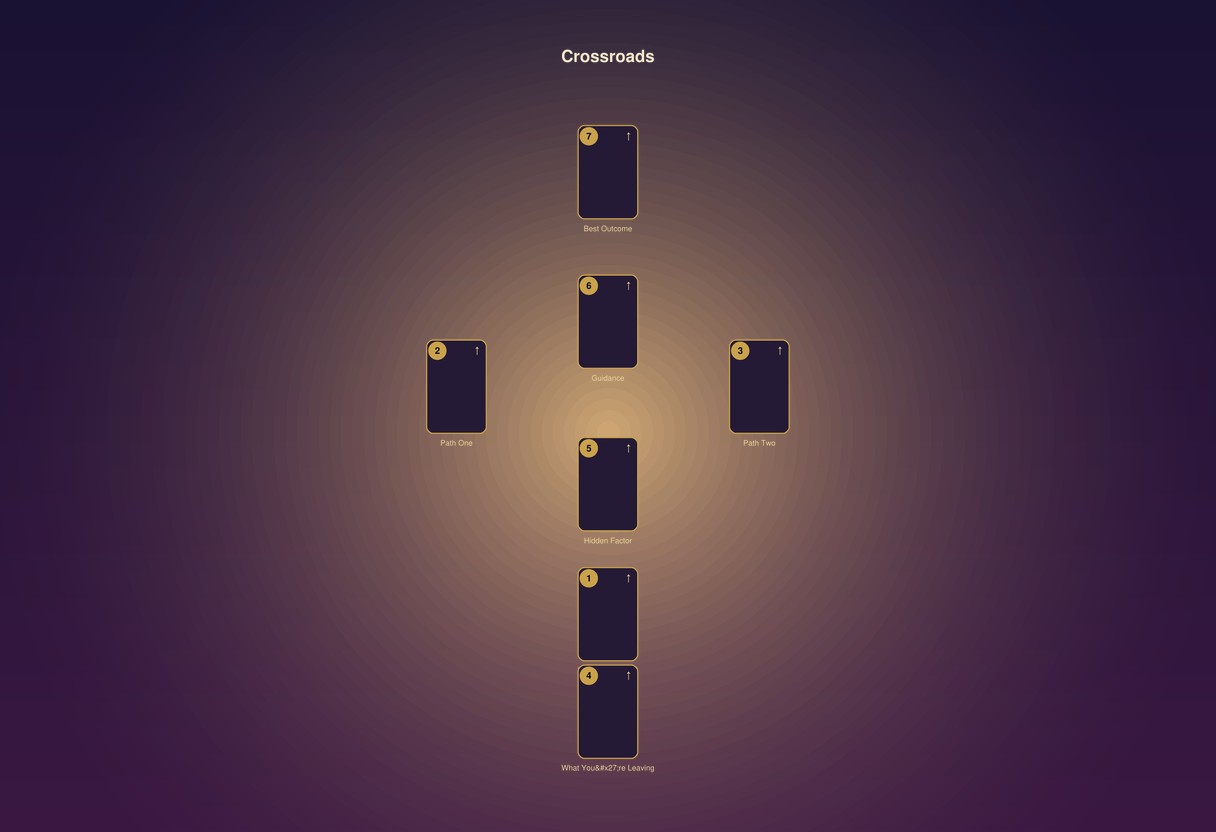
A seven-card layout built for the exact moment two paths stop being theoretical and start requiring a decision.