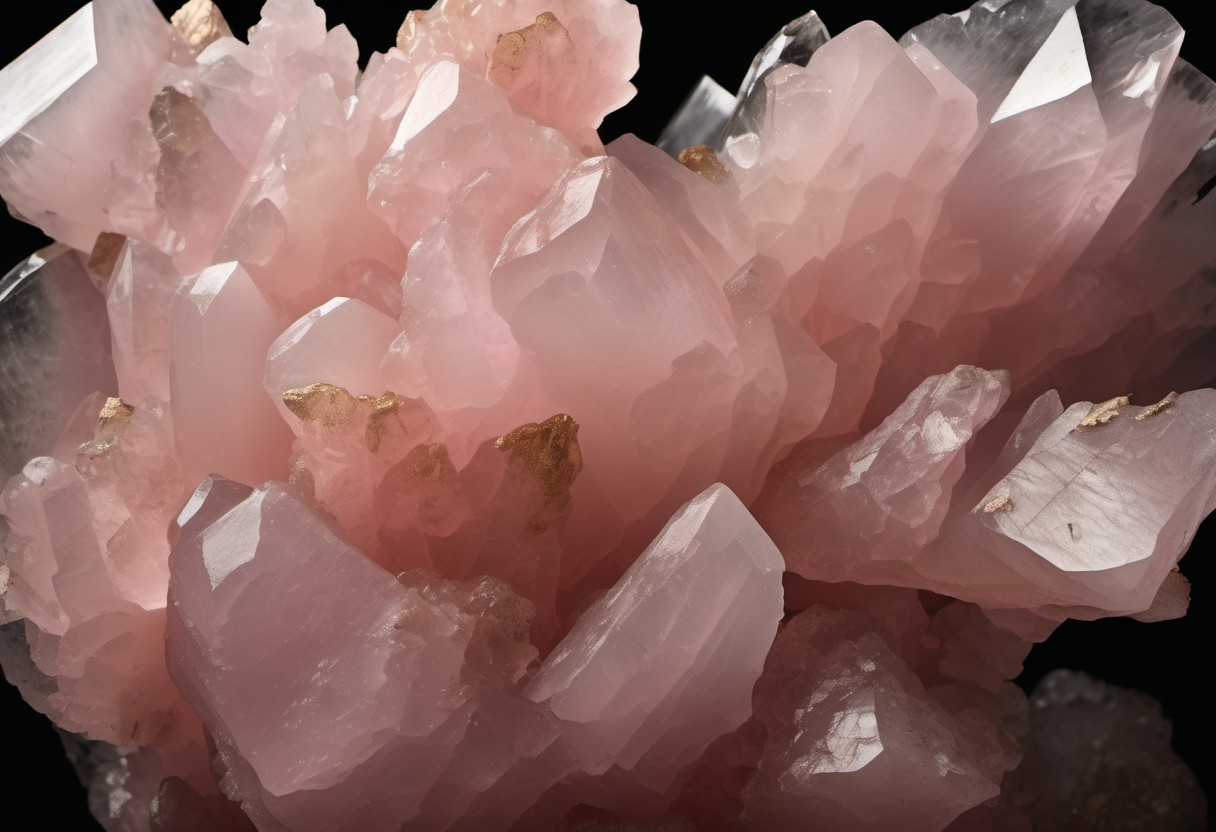
Rose Quartz: The Stone That Never Learned to Shout
The pink quartz found in ancient Egyptian tombs and Roman signet rings has been called the love stone for four thousand years, and the geology behind its color is almost as gentle as the legend.
Daily wisdom stories drawn from tarot, numerology, astrology, and the traditions between them — read, reflect, return.

For a straight yes-or-no question, Death leans toward "not in its current form." Here's why, and what changes the reading upright versus reversed.
The pink quartz found in ancient Egyptian tombs and Roman signet rings has been called the love stone for four thousand years, and the geology behind its color is almost as gentle as the legend.
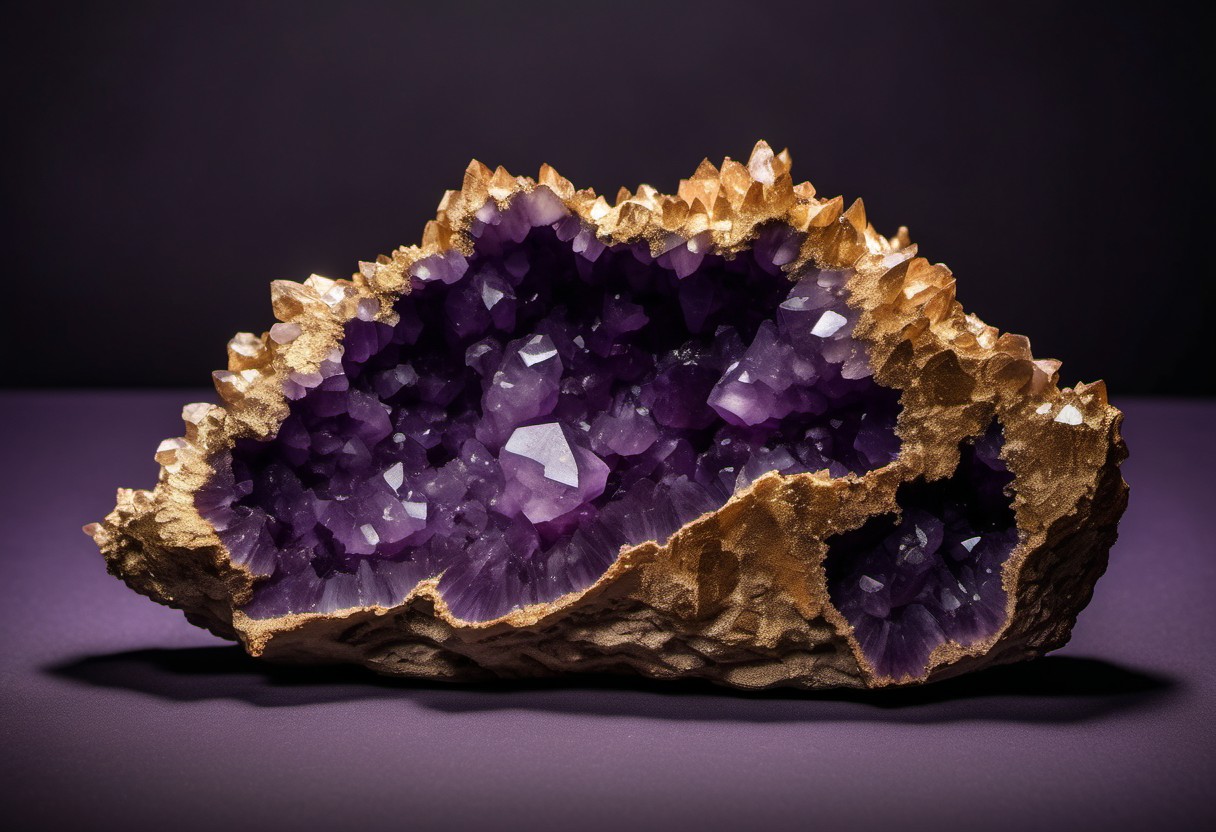
Amethyst's name literally translates to "not intoxicated," a branding decision the ancient Greeks committed to so thoroughly that it survived two thousand years of language change intact.
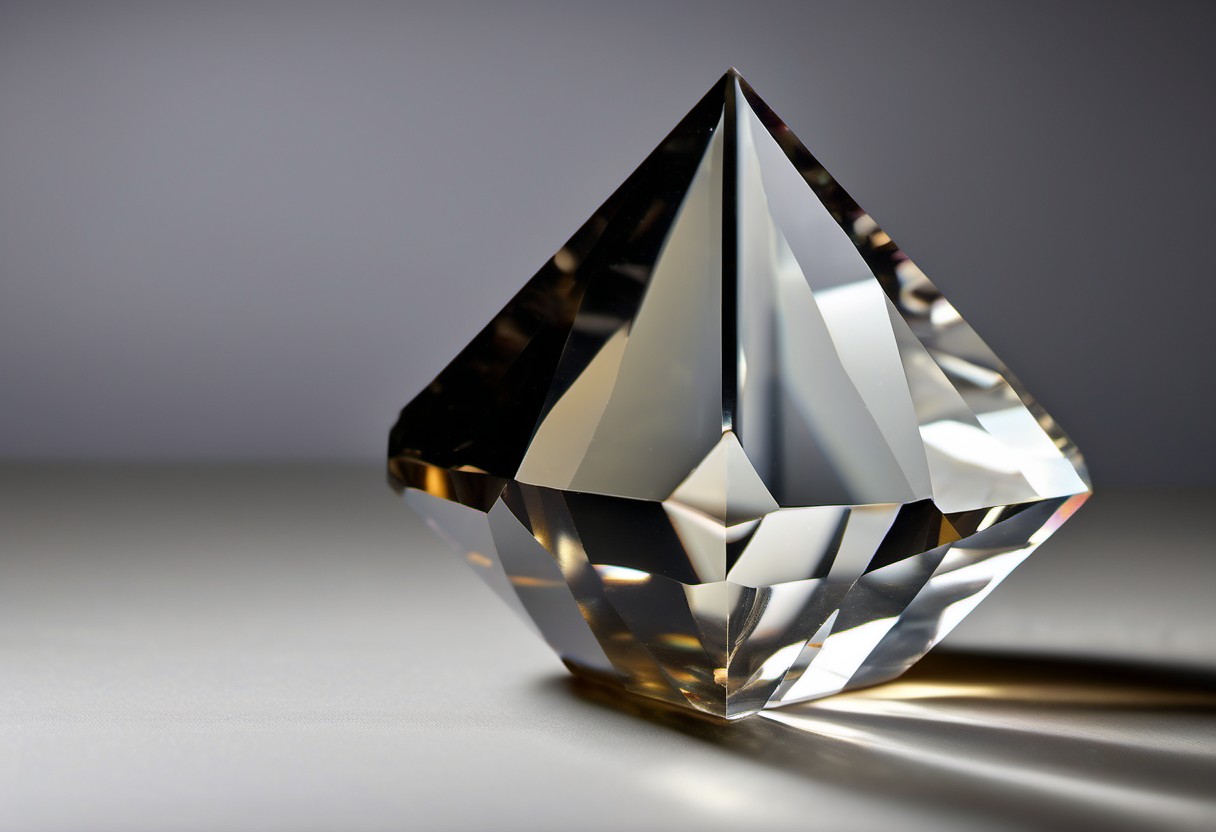
Long before it became the default "amplifier" stone in crystal shops, clear quartz was already doing quiet, exacting work inside wristwatches and radios, thanks to a genuine electrical property most people never learn the name of.

Long before it became the go-to stone for grounding and protection, black tourmaline had a strange, very literal job: pulling static electricity off glass photographic plates so early images wouldn't be ruined by dust.
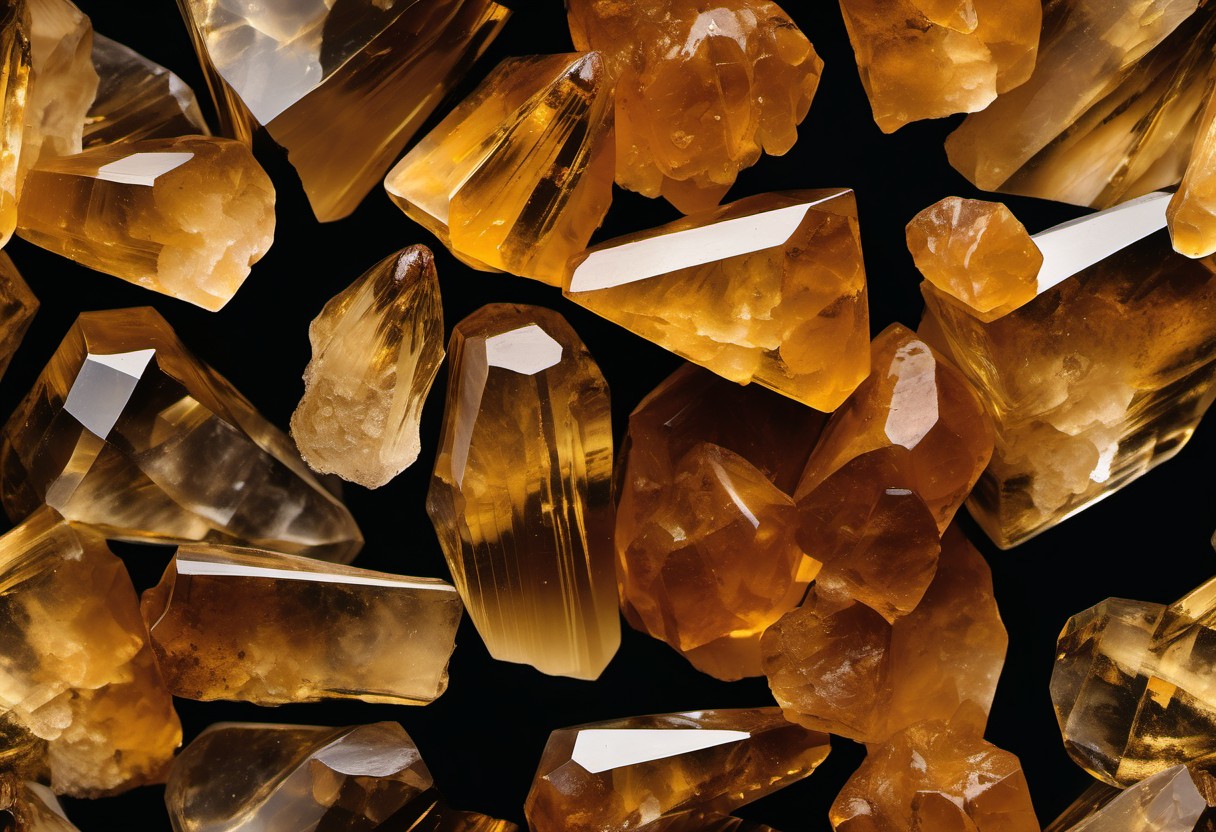
Most citrine sold today never started out as citrine at all; it began as amethyst, until heat rewired its color from the inside out, a fact the gem trade rarely advertises but is genuinely worth knowing.
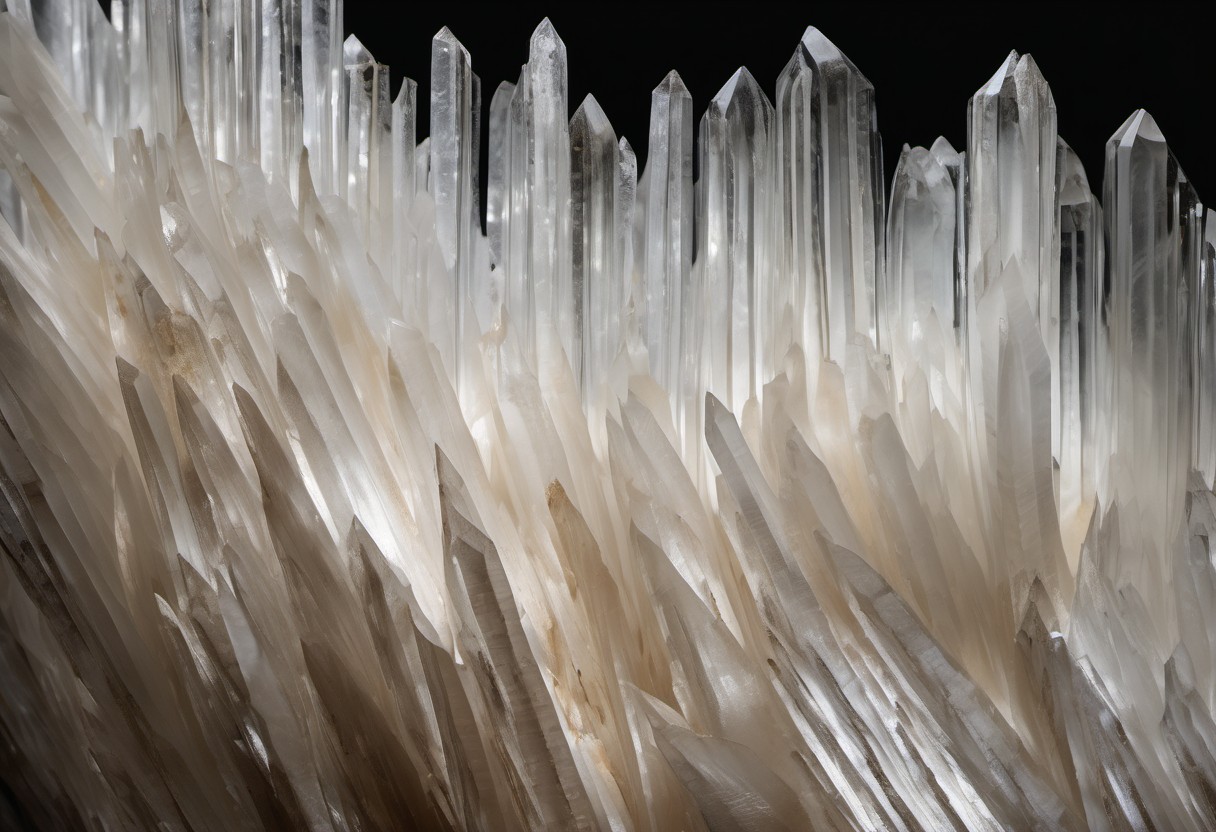
Named for the Greek moon goddess Selene and soft enough to scratch with a fingernail, selenite is one of the few popular crystals that comes with a genuine care instruction: never let it get wet.