The Women Who Knew Which Leaf to Boil: Green Witchcraft's Real Roots
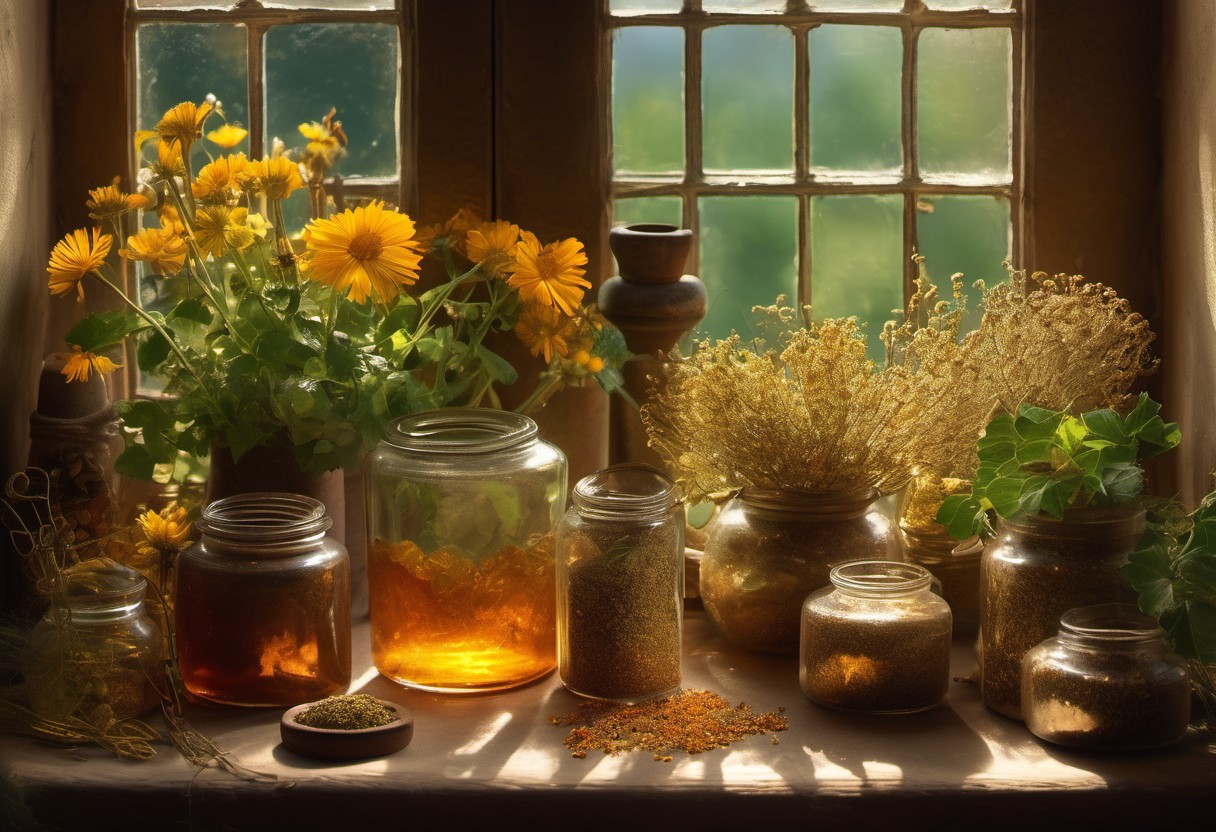
Every European village of any real age had one. Sometimes a midwife, sometimes a widow living at the edge of town, sometimes just the person everyone quietly agreed knew which plant did what. She's been called a cunning woman in England, a Kräuterhexe in Germany, a wise woman in a dozen other regions — and long before "witch" carried the weight it would later carry, her actual job was closer to village herbalist and healer than anything sinister. She knew which leaves eased a cough, which root helped with sleep, which flowers were traditionally kept in the house for their scent alone. That knowledge was practical, largely oral, passed mother to daughter or mentor to apprentice, and taken seriously by the people who relied on it.
Green witchcraft, as a modern practice, is the direct descendant of that lineage — an attempt to keep the plant-focused, place-based side of folk tradition alive, distinct from the more ceremonial branches of witchcraft that focus on ritual tools or symbolic correspondence.
A Global, Not Just European, Inheritance
It's worth being clear that this kind of botanical knowledge wasn't a European specialty. Traditional Chinese medicine developed an enormously detailed herbal pharmacopeia over thousands of years. Ayurvedic practice in India built an entire system around plants, seasons, and constitution. Indigenous herbal knowledge across the Americas, Africa, and Oceania represents some of the oldest continuously practiced plant science on Earth, much of it maintained by women in caretaking roles within their communities. Green witchcraft as a modern Western practice borrows most directly from European folk herbalism, but it sits inside a much larger, much older, genuinely global tradition of people learning their local plants closely enough to work with them.
The wise woman at the edge of the village wasn't guessing. She was carrying a body of knowledge built over generations, one boiled leaf and one remembered outcome at a time.
Working With Plants Today
Modern green witchcraft tends to center on things that are genuinely accessible: growing a small herb garden, learning which plants are native to your own region, drying herbs for use in sachets or seasonal decor, or simply spending time outside paying close attention to what's growing. Lavender for calm, chamomile for rest, rosemary for remembrance and focus, mint for clarity — these associations are old enough that they've settled into general folk knowledge well beyond any one tradition. Many practitioners keep a small notebook, sometimes called a "green book," recording what they've planted, harvested, or noticed about a plant's traditional lore, which is really just herbalism's original format: careful, personal, handwritten observation.
A Lineage Worth Naming Honestly
Part of respecting this tradition means being honest about what it is and isn't. Green witchcraft is a genuine cultural lineage, rooted in real historical practice and real botanical knowledge accumulated over centuries — but it's a tradition of folk belief and cultural continuity, not a substitute for modern medical guidance. The women who once held this knowledge were serious, skilled, and trusted by their communities precisely because they paid close attention. That spirit of careful, respectful attention, more than any specific recipe, is the part worth carrying forward.
Explore more of this lineage in The Kyshara Realm, or read more on what Kyshara is building here.