The Clock That Takes Twenty-Nine and a Half Days: Why the Moon Runs Every Old Calendar
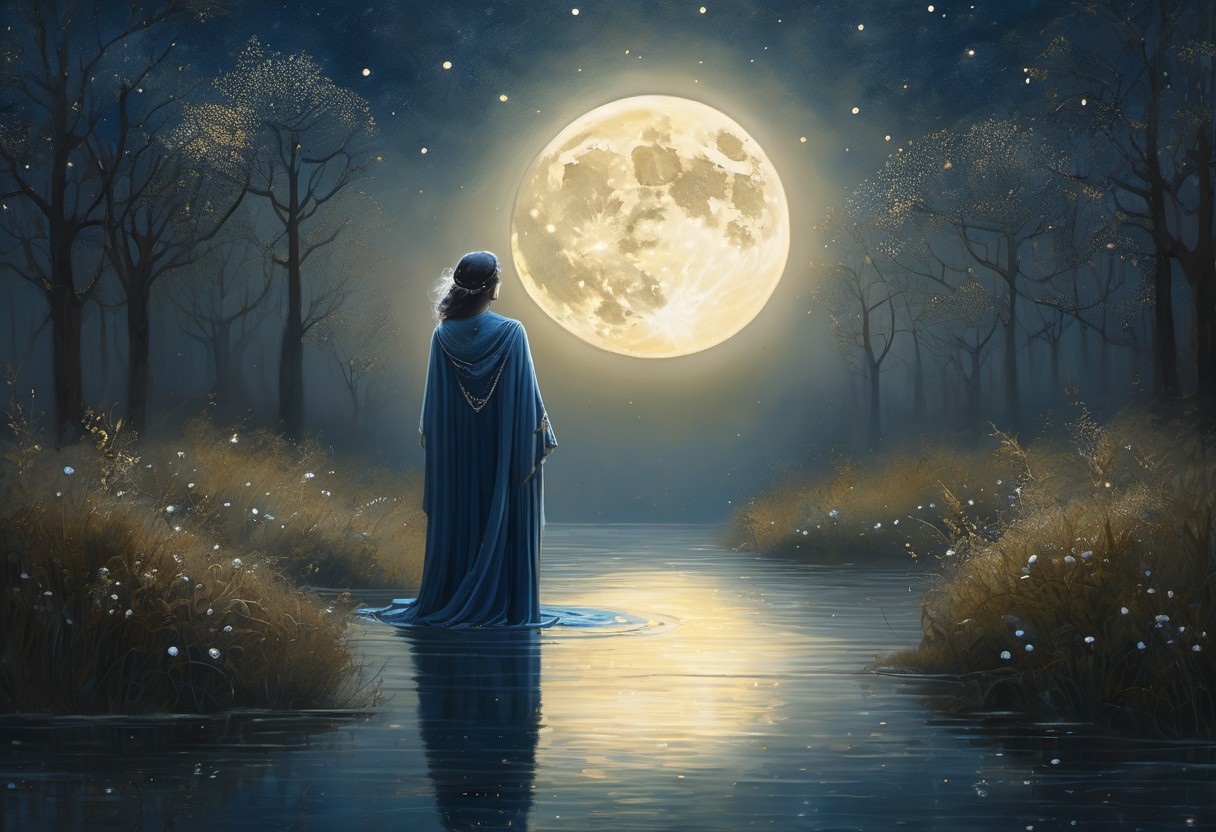
The moon takes 29.5 days to cycle from new to full and back to new again — the synodic month, and it's not a mystical number, it's just orbital mechanics: the time it takes the moon to return to the same position relative to the sun as seen from Earth. But that steady, visible, universally observable rhythm made the moon the original shared calendar. You didn't need instruments to track it. You just needed eyes and a habit of looking up, which is probably why lunar timekeeping shows up independently in nearly every culture with written history — Babylonian, Chinese, Hebrew, Islamic, and countless oral traditions besides.
Because the cycle was so reliable and so visible, it became something people planned around, and eventually something people worked with. If the moon was already the clock for planting, harvesting, and religious observance, it wasn't a stretch for it to also become a clock for personal ritual.
New Moon, Full Moon, and Everything Between
The two anchor points of lunar practice are simple. The new moon — the night the moon is entirely dark and effectively invisible — is traditionally treated as a beginning: a night for setting intentions, writing down a goal, or starting something new, the same way the sliver of light that follows is treated as new growth. The full moon, two weeks later, is treated as culmination: a night for gratitude, for releasing what's no longer useful, for taking stock of what's grown since the last new moon. Many practitioners keep a simple moon journal, noting intentions at the new moon and revisiting them at the full moon, which is really just a structured way of checking in with yourself twice a month instead of never.
The moon doesn't do the changing. It just gives people a reliable enough rhythm to remember to check in with themselves.
A Practice Older Than Most Religions
Lunar ritual predates most organized religious calendars that eventually absorbed it. Neolithic bone tally sticks, including the famous Lebombo and Ishango bones from Africa dated to tens of thousands of years old, show notch patterns some researchers interpret as lunar counts — among the earliest evidence of humans tracking time at all. Later, the Celtic and Wiccan traditions that shaped a lot of modern moon-phase ritual borrowed structure from agricultural calendars, where the moon determined planting windows long before it determined anything spiritual. The ritual meaning came second. The observation came first.
Working With a Cycle You Can't Control
Part of what makes moon magic distinct from other folk practices is that nobody's pretending to influence the moon itself. The relationship runs the other direction — the moon offers a fixed, external rhythm, and the practitioner adapts to it, the same way a gardener adapts to seasons rather than commanding them. That's a genuinely different posture than most magic, and maybe why it's endured so consistently: it asks for attentiveness, not control. Waxing moons are traditionally associated with building and growing; waning moons with letting go and clearing space. None of it requires special tools, just a clear night and a willingness to notice what phase you're in, literally and otherwise.
For more reflections like this, wander over to The Kyshara Realm, or read more on what Kyshara is building here.