A Small Fire With a Long Memory: The Quiet History of Candle Magic
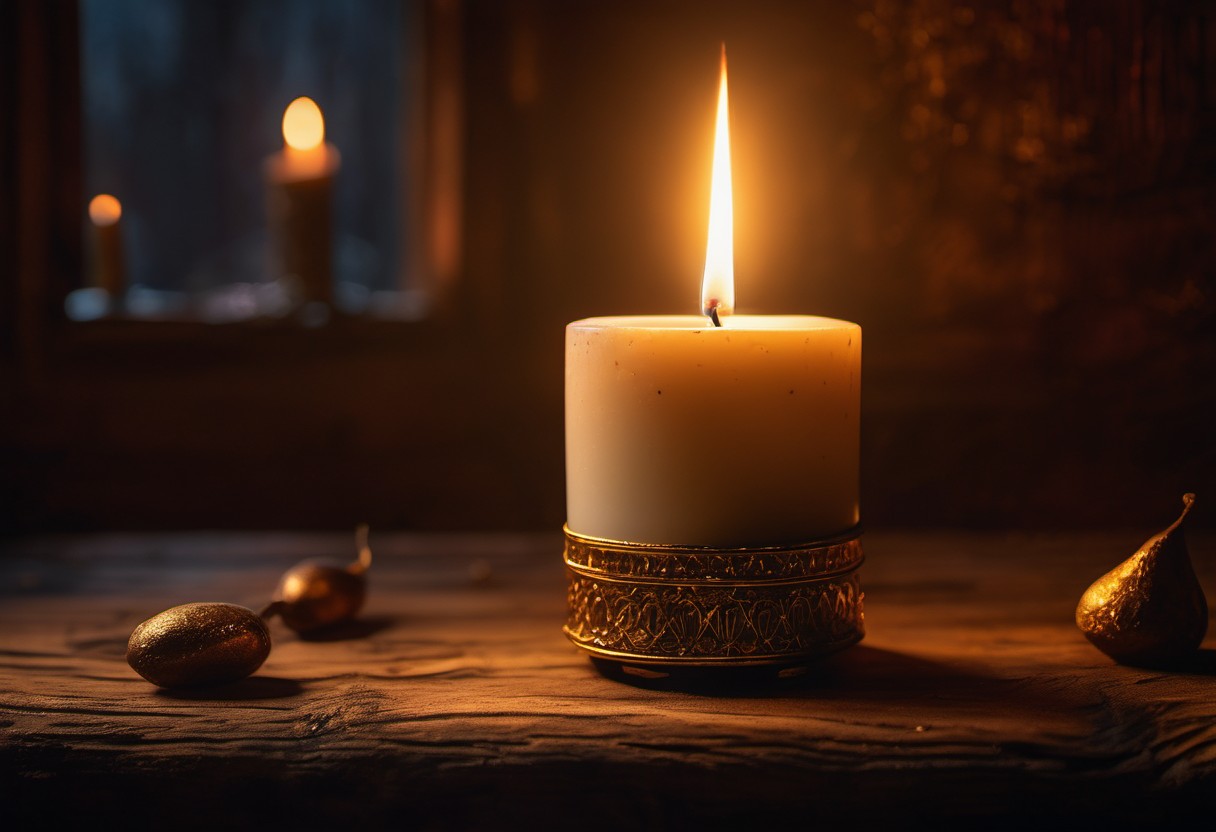
Before candle magic was a phrase anyone used, it was just what people did with fire and a wish. Light a small flame, hold something specific in mind, watch it burn down. That gesture is old enough that it's hard to trace to a single origin, because it shows up everywhere fire and intention meet: Roman households lit lamps to household gods, Catholic churches have offered votive candles for specific prayers for over a thousand years, Jewish tradition lights candles for Shabbat and for memory on Yahrzeit, Hindu households light diyas for Diwali, and Buddhist temples keep butter lamps burning as offerings. Candle magic as a folk practice isn't a new invention borrowing from all of these — it's closer to a secular cousin standing in the same family.
What all of these traditions share is a basic piece of logic: fire is visible, temporary, and demands nothing but attention, which makes it a natural container for a wish you want to mark as significant.
Why Color Became a Language
Modern candle magic leans heavily on color, and the associations aren't arbitrary — they mostly track colors people already connected to certain ideas well before any candle was involved. White is traditionally used for clarity, peace, or as an all-purpose stand-in when nothing else fits. Green ties to growth, prosperity, and healing, the same association green carries in plant life generally. Red is tied to passion, courage, and strength. Yellow to confidence and communication. Blue to calm and clear thinking. Black, despite its reputation, is traditionally used for protection and banishing negativity, not harm — it represents absorbing and neutralizing, not causing damage. Practitioners choose a color the way you might choose stationery for a specific kind of letter: it sets a tone before a word is written.
A candle doesn't do anything on its own. What it offers is a fixed amount of time — the length of the burn — to hold one thought without letting your attention wander.
Timing, Carving, and the Simplicity of the Practice
Beyond color, folk practice around candles often includes carving a word or symbol into the wax with a pin before lighting, or anointing the candle with a small amount of oil, both treated as ways of making the intention more specific before the flame is ever struck. Timing matters too, echoing lunar practice — a new moon candle for beginnings, a full moon candle for closure or gratitude. None of it requires elaborate preparation. A birthday candle blown out over a silent wish is, structurally, the exact same ritual: a flame, a private intention, and a moment of focused attention before it's let go.
The Appeal of Something This Accessible
Part of why candle magic has stayed so widespread, across so many unrelated belief systems, is how little it demands. No specialized ingredients, no rare materials, nothing that requires travel or expense — just a candle, a match, and a few minutes of genuine focus. That accessibility is arguably the tradition's real throughline, more than any specific color chart or carved symbol. It's a ritual built for anyone, on any given evening, with whatever they were already going to light for dinner.
For more reflections like this, explore The Kyshara Realm, or read more on what Kyshara is building here.